
Language 4-6
BeginnerNew
Phonics & First English
Build letter sounds, everyday vocabulary, listening and tiny spoken sentences through play.
English, Bangla, Math, Science, Coding, Art and life skills — organised by age so parents can choose a clear starting point.
 Learn · Practise · ReviewA repeatable routine for young learners
Every demo course below includes five structured chapters, twenty lessons, practice activities and parent prompts.
Build letter sounds, everyday vocabulary, listening and tiny spoken sentences through play.

Letters, numbers, shapes, routines and fine-motor activities for a confident preschool start.

Learn Bangla letters, word building, clear reading and age-friendly handwriting practice.
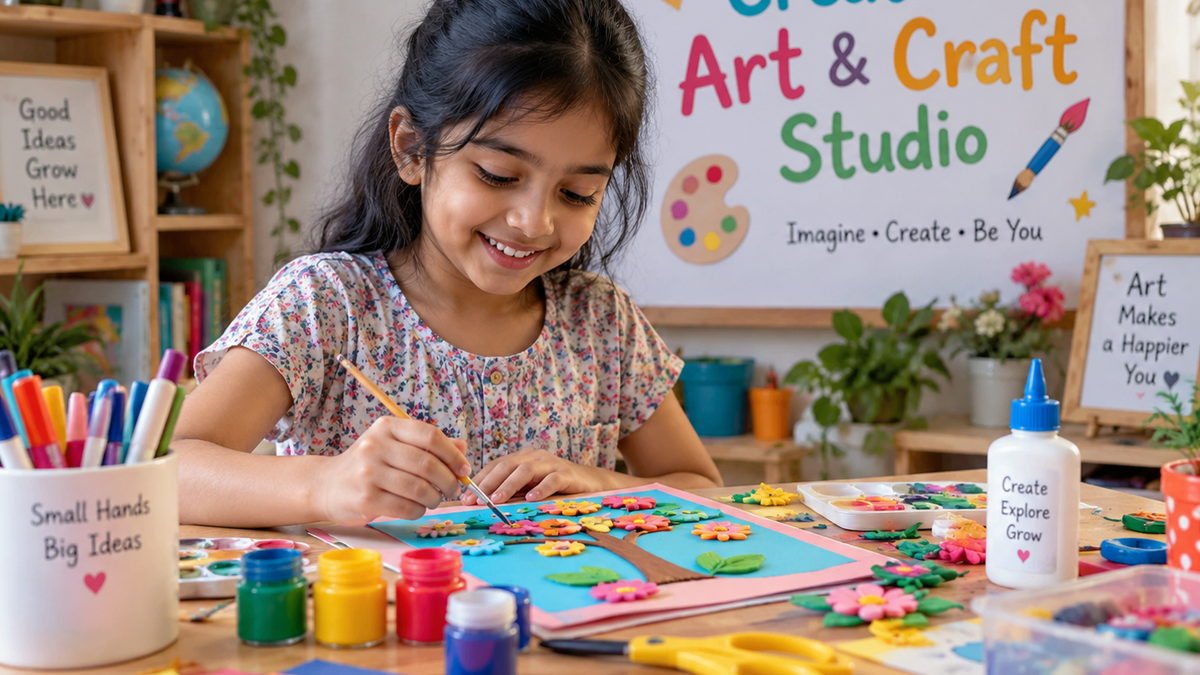
Draw, colour, cut, fold and build simple story-based art projects with everyday materials.
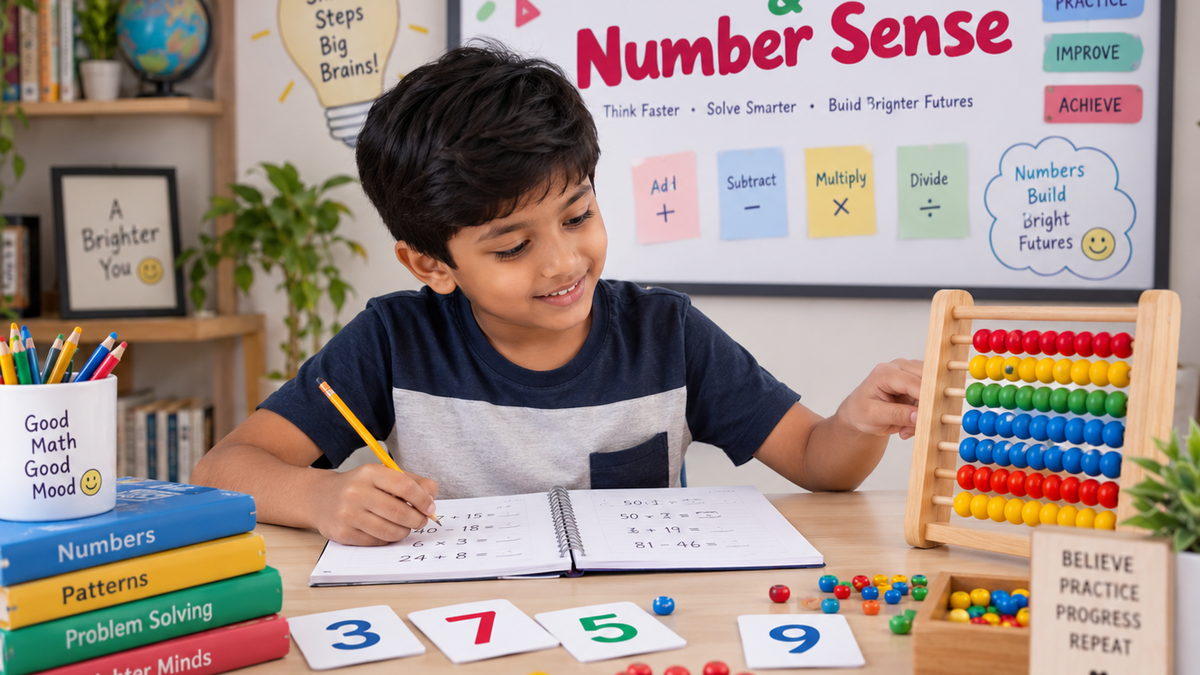
Use number bonds, visual strategies, puzzles and speed-building practice without rote pressure.
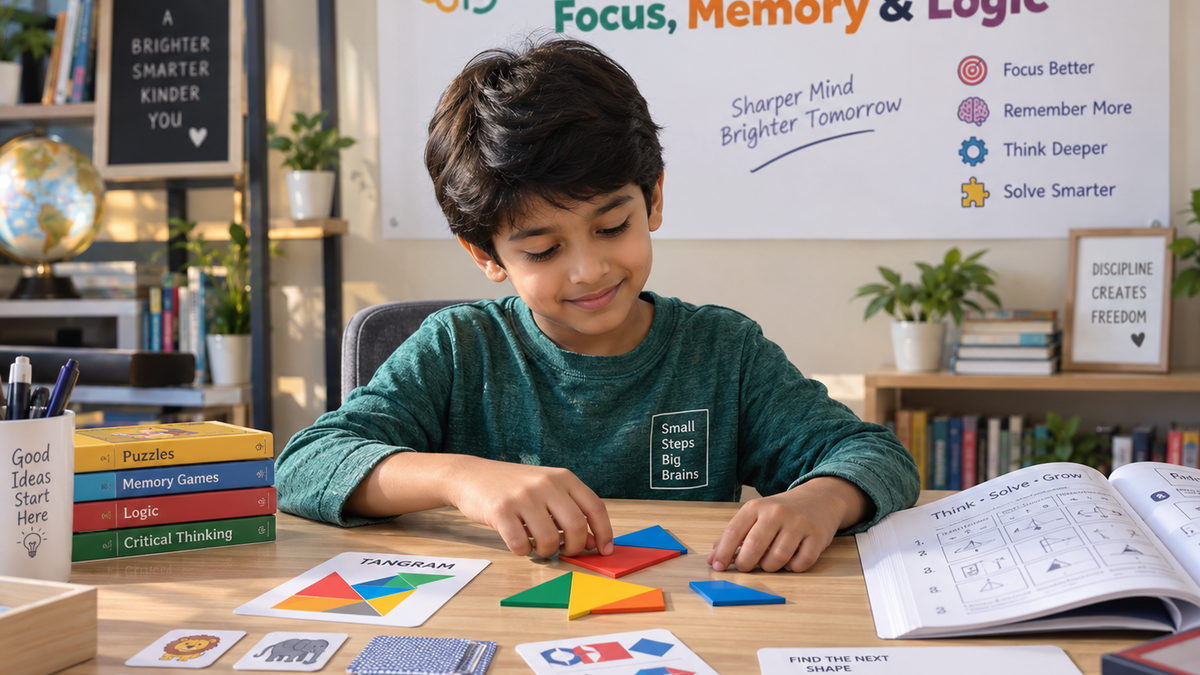
Short brain games for attention, working memory, patterns, sequencing and calm problem solving.

Build everyday speaking confidence through role-play, picture talk, short stories and listening practice.

Explore matter, plants, light, sound and simple forces through safe observation and home experiments.

Build non-routine problem solving with number puzzles, patterns, geometry and logical reasoning.
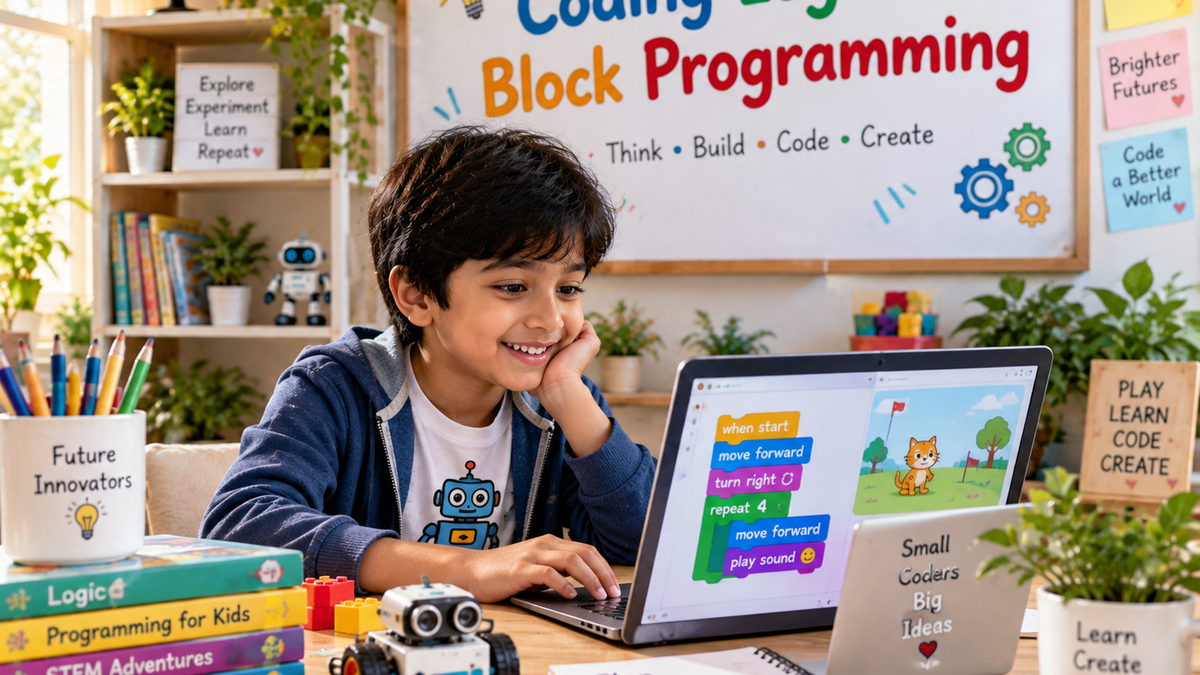
Learn sequences, events, conditions, loops and debugging before moving into larger coding projects.

Learn sentence building, core grammar, paragraph structure and creative writing through short weekly tasks.

Create simple games with sprites, motion, events, variables, score, sound and level design.
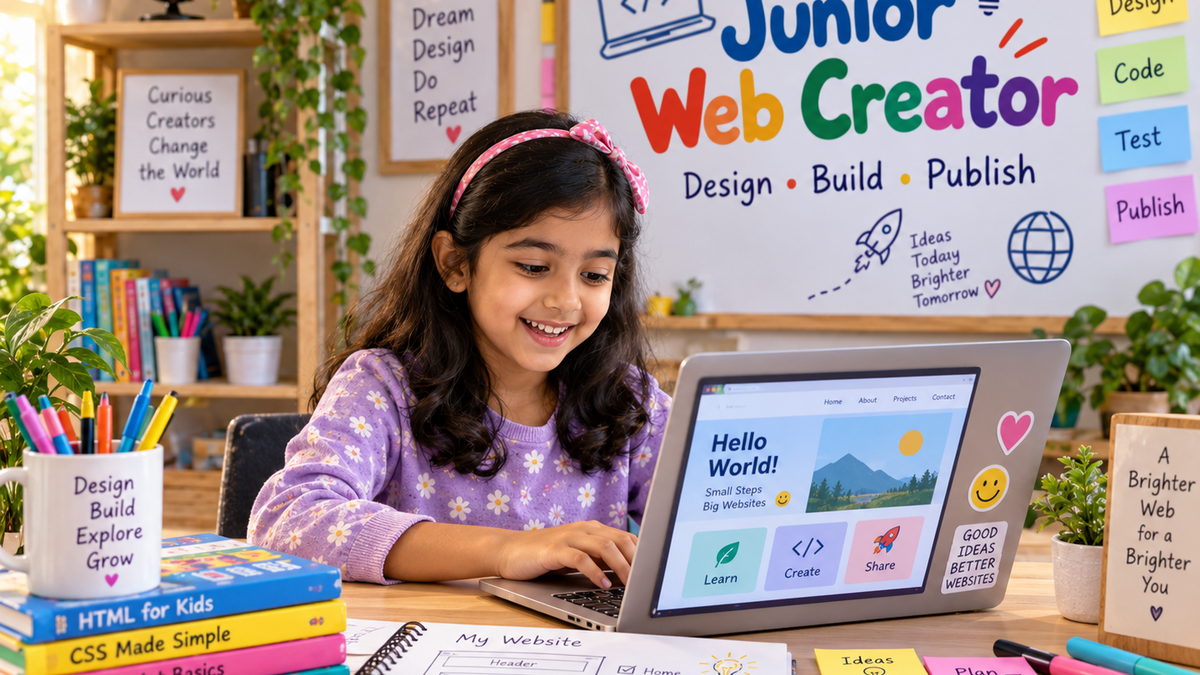
Understand how websites work and build a simple child-safe webpage with HTML, CSS and design basics.

A balanced weekly routine for Bangla, English, Math, Science and study habits for primary learners.

Practical child-friendly lessons on home safety, road awareness, digital safety, emotions and asking for help.
Try another age or learning goal.
Pick the age group and one clear learning goal.
Use one short lesson at a time instead of long screen sessions.
Complete the activity or mini task attached to the lesson.
A parent asks one quick question and checks understanding.
Repeat weak lessons and celebrate steady progress.
Most children learn better with one focused task and a clear finish point.
Ask how they solved it, not only whether the answer was right.
Revisit a lesson when needed. Consistency matters more than speed.